Marikah Serif Font for Web Design
Marikah is a bold and assertive serif font that brings a strong visual presence to any digital project. As a web designer, I've found that the right typeface can make or break the impact of a design, and Marikah stands out for its ability to command attention while maintaining readability.
This serif font has a confident stroke contrast and well-structured letterforms that work particularly well in headers, banners, and other focal points. Its assertiveness makes it ideal for brand messaging that needs to feel authoritative yet approachable.
Visual Characteristics and Style
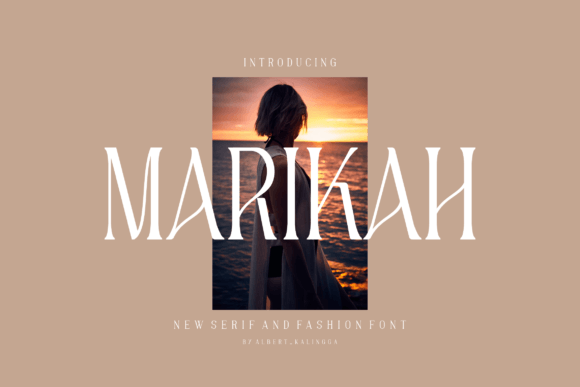
Marikah’s design features include pronounced serifs, consistent stroke weights, and clean lines that contribute to a professional look. The font carries a modern edge while still retaining the traditional elegance of serif typography. This balance makes it versatile enough to fit into both contemporary and classic design aesthetics.
The personality of Marikah leans towards confidence and clarity. It's not overly ornate but still has enough character to stand out from more neutral sans-serif fonts. This makes it especially useful for brand-focused web experiences where the typography needs to reflect the company’s tone and values.
Applying Marikah in Web Design
When designing websites, I often use Marikah for hero sections and landing page headlines. Its boldness helps draw the eye immediately to key messages, which is crucial for conversion-focused layouts. On an online store, using Marikah in banner headlines can help emphasize promotions and special offers effectively.
In portfolio sites, Marikah works well for section headings and project titles. It adds a touch of sophistication without overwhelming the content. For a coaching website, this font can communicate professionalism and authority, reinforcing the credibility of the service being offered.
Marikah also pairs beautifully with simpler sans-serif fonts for body text. This combination allows for clear visual hierarchy—using Marikah for headings and a clean sans-serif for body copy ensures that readers can easily scan through content without distraction.
Readability and Responsive Design
One of the most important considerations when choosing a font is its readability across different screen sizes. Marikah maintains legibility even on smaller mobile screens, making it suitable for responsive designs. When used in buttons or short phrases, its clarity helps ensure that call-to-action elements remain effective regardless of device.
I’ve tested Marikah on dark and light backgrounds, and it performs well in both scenarios. However, it’s essential to maintain sufficient contrast between the font color and background to avoid eye strain, especially in long-form content sections.
Font Pairing and Brand Identity
Marikah serves as a strong display font that can be paired with a complementary sans-serif font for body text. This pairing is common in editorial design and helps create a balanced layout. For instance, using Marikah for section headings and a clean sans-serif like Helvetica or Arial for paragraphs provides a polished, professional appearance.
For digital brands looking to establish a distinct identity, Marikah can become a signature element in their visual language. It supports a more editorial feel compared to script or handwritten fonts, making it ideal for content-driven platforms such as blogs, magazines, or educational websites.
Practical Applications and Use Cases
Marikah is particularly effective in creative portfolios where it can highlight projects with a sense of confidence and professionalism. In boutique online stores, it adds a touch of class to product banners and promotional headlines. For course sales pages, the font reinforces the idea of structured learning and expertise.
On blog headers, Marikah can create a welcoming yet authoritative tone. In social media graphics, it helps maintain brand consistency across platforms by ensuring all visuals carry the same typographic style.
It’s also worth noting that Marikah includes multiple styles, weights, and alternates, giving designers flexibility in how they apply it across different sections of a site. Checking for multilingual support is always a good practice, especially if the website targets an international audience.
Licensing and Commercial Use
As a designer working on client projects or developing digital templates, it's crucial to ensure that Marikah is licensed for commercial use. Confirming the font's availability as a webfont and understanding the licensing terms will prevent any legal issues when deploying it across websites, online stores, or brand assets.
Whether you're building a new landing page, redesigning an app interface, or crafting a brand kit, Marikah offers a reliable and impactful option for your typography needs. Its versatility and strong visual appeal make it a valuable addition to any designer’s toolkit.